The Pros and Cons of Living in Durham, NC
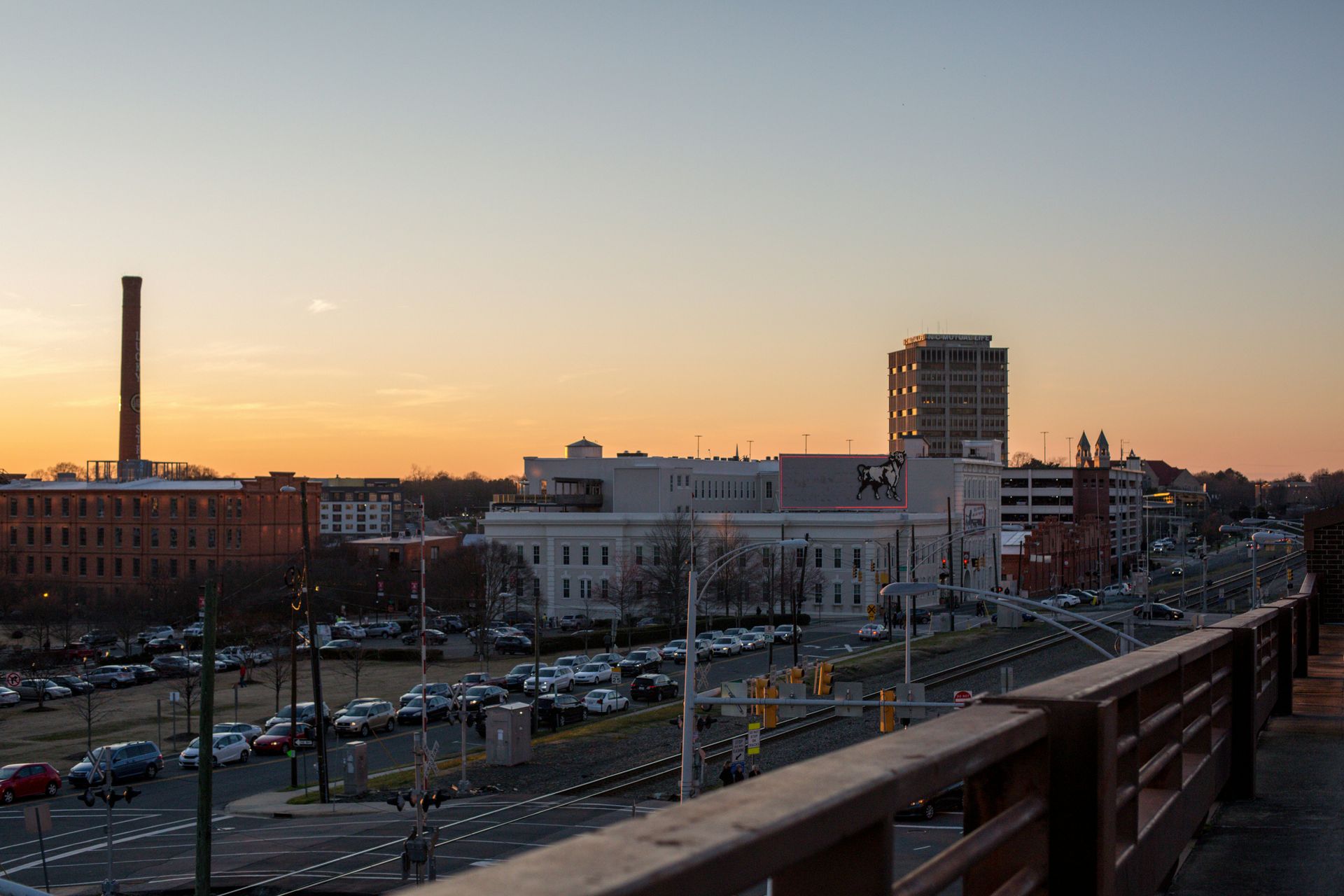
Durham used to be a tobacco town. Walk through the American Tobacco Campus today and you will find craft breweries, tech startups, and a food scene that earned the city the title of "Tastiest Town in the South" from Southern Living. The Bull City has reinvented itself into one of the most talked-about mid-size cities on the East Coast, drawing newcomers who want Research Triangle careers without the price tags of bigger metros. That transformation is still happening, which means Durham feels more alive and less settled than a lot of places its size.
But a city in the middle of a growth spurt comes with trade-offs. Housing prices are climbing, summer humidity can hit you like a wet blanket you did not ask for, and you will probably need a car to get around. None of that stops roughly 5,000 new residents from arriving every year, but it does shape daily life in ways worth knowing about before you sign a lease or close on a house. Here is an honest look at what living in Durham actually feels like.
Pros of Living in Durham
1. The Food Scene Punches Way Above Its Weight
Durham is genuinely one of the best food cities in the Southeast, and locals will remind you of that within five minutes of meeting you. Bon Appetit once called it "America's Foodiest Small Town," and in November 2025, the MICHELIN Guide American South recognized four Durham restaurants. Chef Ricky Moore's Saltbox Seafood Joint took home the James Beard Award for Best Chef: Southeast, and spots like Mothers & Sons, Mateo, and The Wine Feed keep the downtown dining district packed on weekends.
The variety is what makes it special. You can get handmade pasta at a proper trattoria, charred octopus tapas on a Tuesday night, or a fried fish sandwich from a roadside counter that won a national award. Head to Alley Twenty Six for cocktails (it is North Carolina's only James Beard finalist for Outstanding Bar Program), or explore the rotating cast of food trucks near Durham Central Park. Fair warning: your grocery budget will lose the battle against restaurant spending within your first month here. The culinary talent keeps attracting people from much bigger cities, and it is not slowing down.
2. Research Triangle Jobs Without the Guesswork
The Research Triangle is one of the strongest regional economies in the country, and Durham sits right in the middle of it. Research Triangle Park alone houses more than 300 companies across biotech, pharmaceuticals, software, and clean energy. Duke University and Duke Health System are the city's largest employers, and North Carolina Central University adds another layer of academic and research activity. The region's tech talent workforce grew 15.4% between 2021 and 2024, reaching 76,570 workers with an average tech salary of $122,435. Not a bad place to update your LinkedIn.
What makes Durham different from a lot of tech hubs is that the opportunities extend beyond software engineering. Healthcare, life sciences, education, and professional services all hire steadily here. The Durham-Chapel Hill metro area added jobs at a rate of 12.5% between 2018 and 2023, and over 53% of adults in the area hold a bachelor's degree or higher. If you work in STEM, healthcare, or research, the job market here gives you options without forcing you into a single industry. If you do not work in those fields, the opportunities are narrower, but the rising tide has lifted adjacent sectors too.
3. Outdoor Access Is Better Than You'd Expect
Eno River State Park covers more than 4,500 acres just 10 miles northwest of downtown, with over 24 miles of trails running along the river through mostly undeveloped forest. Cox Mountain Trail climbs 270 feet for ridge views, the Pump Station loop is one of the best wildflower hikes in the Piedmont, and Laurel Bluffs follows the river past old mill ruins and rocky outcrops. You can hike, paddle, fish, or just sit by the water on a Tuesday afternoon without driving hours to get there. Try doing that in Charlotte.
Beyond Eno River, Duke Forest offers thousands of acres of research forest open to hikers and runners. Falls Lake State Recreation Area is a short drive north for boating, swimming, and lakeside camping. Durham also averages about 220 sunny days per year, which means you can actually use these spaces for most of the year instead of just bookmarking them for "someday." The city's greenway system keeps expanding too, connecting neighborhoods to parks and trails without needing to get in a car, which is good, because parking at Eno on a Saturday morning in October is its own competitive sport.
4. Culture Runs Deep Here
Durham's cultural identity is not manufactured or imported from a branding agency. It grew out of the city's history as a center for Black entrepreneurship (the Parrish Street financial district was once called "Black Wall Street"), its university communities, and a streak of independence that shows up in everything from the art scene to local politics. The Durham Performing Arts Center consistently ranks among the top-attended venues in the country, hosting Broadway shows, major concerts, and comedy tours in a 2,700-seat theater downtown. It is the kind of venue that makes you forget you are not in New York until you walk outside and see affordable parking.
Smaller venues fill out the rest of the picture. The Carolina Theatre screens independent films and hosts live events in a beautifully restored 1926 building. The Nasher Museum of Art at Duke brings world-class exhibitions to a university campus. And the annual Full Frame Documentary Film Festival draws filmmakers and audiences from around the world every spring.
5. Cost of Living Still Makes Sense (For Now)
Compared to other cities with similar job markets, Durham remains relatively affordable. The overall cost of living is about 1% below the national average, utilities run about 6.3% less than the national average, and transportation costs come in 6.1% below average. The median household income sits around $79,234, which stretches further here than it would in Austin, Denver, or most East Coast metros with comparable tech and healthcare sectors. Your paycheck does not evaporate the second it hits your bank account, which is a refreshing change for anyone relocating from the Northeast.
Average rent for a one-bedroom apartment is around $1,401 per month, and two-bedrooms average $1,626. Those numbers have been climbing, but they still undercut cities like Charlotte and are well below what you would pay in D.C. or Boston for the same quality of life. North Carolina also has no tax on Social Security benefits and a flat state income tax rate, which matters for retirees and higher earners looking to stretch their money further. Enjoy the affordability while it lasts, because Durham is not exactly flying under the radar anymore.
Cons of Living in Durham
1. Summer Humidity Is a Lifestyle Choice
Durham's summers are hot, but the heat is not the real villain. The humidity is. From June through September, temperatures regularly climb into the upper 80s and low 90s, and the thick, soupy air makes it feel like you are breathing through a warm washcloth. July averages around 79 degrees on paper, but the heat index can push the "feels like" temperature into triple digits on the worst days. If you are relocating from somewhere with dry heat, prepare to learn what your hair does in 90% humidity. It is not great.
The practical impact shows up in your electric bill and your social calendar. Air conditioning runs hard from late May through September, and outdoor plans start revolving around early mornings and evenings because nobody wants to be standing in a parking lot at 2 PM in August. Durham gets about 44.7 inches of rain per year, and a good chunk of that arrives in summer thunderstorms that roll in like they have somewhere to be, dump rain for an hour, and vanish. The mild winters and gorgeous springs make up for it, but nobody has ever moved to Durham specifically for the July weather. They stay in spite of it.
2. Housing Is Getting Competitive
Durham's affordability advantage is real, but it is shrinking faster than anyone would like. The median home price ranges from $388,000 to around $533,000 depending on the source and neighborhood, and prices have climbed steadily as the city's reputation has grown. Popular areas like Old West Durham, Brightleaf, and neighborhoods near Ninth Street move fast, and bidding wars are not unusual for well-priced homes in desirable school districts. The days of casually stumbling into a great deal on a fixer-upper close to downtown are mostly behind us.
Rental prices have been ticking up too, with a 0.79% increase over the past year pushing averages higher across all unit types. Studios now average $1,346 and three-bedrooms hit $1,903. That is still reasonable compared to major metros, but it stings more when you factor in that Durham's housing costs are 1.9% above the national average and trending upward. If you are planning a move, budget for what Durham costs today, not what your coworker paid when they moved here in 2019 and will not stop telling you about.
3. You Are Going to Need a Car
Durham's public transit system exists, but calling it a replacement for a car would be generous. GoDurham runs fixed bus routes through the city, and GoTriangle connects Durham to Raleigh and Chapel Hill, but coverage gaps mean large parts of the city are poorly served. The system logged about 6.7 million rides in 2025, which sounds like a lot until you realize most of those riders are concentrated on a handful of corridors. If you live or work outside those routes, driving is not just convenient. It is mandatory.
Rush hour traffic adds another layer of fun. Morning congestion peaks between 7:00 and 8:00 AM, and the two big magnets, Research Triangle Park and Duke University Hospital, pull traffic in predictable but annoying patterns. The drive from north Durham to RTP can stretch past 30 minutes during peak hours, and commuting to Raleigh at the wrong time can take close to an hour. Durham is not gridlocked like Atlanta or D.C., but the combination of limited rail transit and regional sprawl makes car ownership a near-requirement. On the bright side, you will never struggle to find a gas station.
4. Pollen Season Will Test Your Sanity
Durham's lush tree canopy and green spaces are a genuine quality-of-life asset for most of the year. Then March arrives, and Mother Nature dumps what appears to be an industrial quantity of yellow-green dust on every surface in the city. The Triangle region consistently ranks among the worst areas in the country for seasonal allergies, thanks to a combination of pine, oak, and grass pollens that overlap from March through May. Your car will turn yellow. Your patio furniture will turn yellow. Your dog will turn yellow. This is normal.
If you have never dealt with allergies before, Durham might introduce you to them personally. Longtime residents stock up on antihistamines the way other people stock up for hurricanes, and the pollen count can spike high enough to make even a short walk feel like a questionable decision. It calms down by June, but those three months test the resolve of even the most committed outdoor enthusiasts. The trade-off is that all those trees keep Durham shaded, green, and cooler than surrounding areas in summer, so most people learn to live with the seasonal yellow-pocalypse and move on.
5. Growth Pains Are Real
Durham is adding thousands of new residents annually at a rate of roughly 1.9% per year. That growth brings energy, investment, and new businesses, but it also strains infrastructure that was not built for this pace of expansion. Road construction seems constant, school capacity is a recurring concern, and some longtime residents feel like the city they chose is shape-shifting underneath them faster than they signed up for.
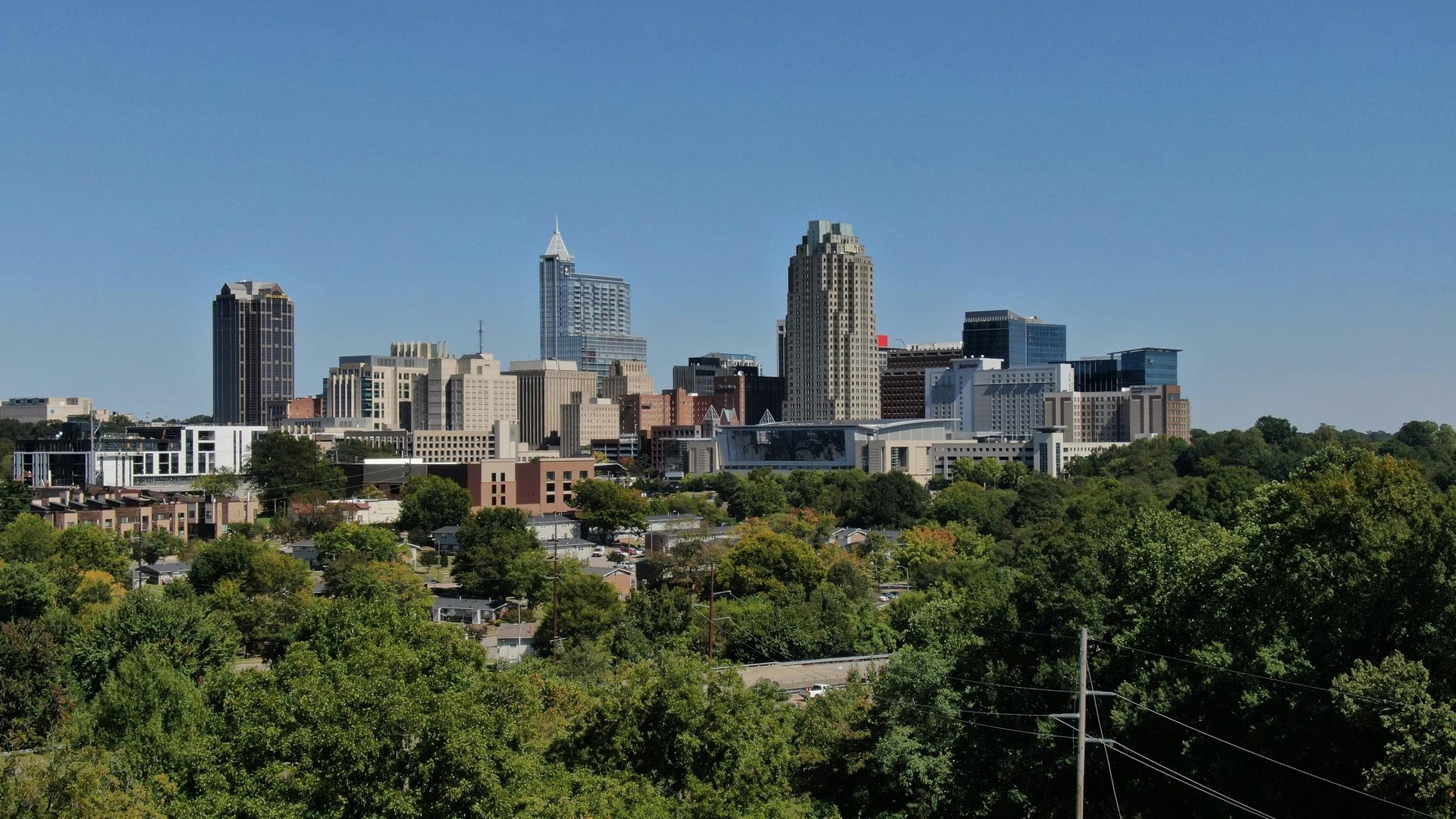
The development boom is visible everywhere. Cranes dot the downtown skyline, new apartment complexes rise along major corridors, and neighborhoods that were quiet five years ago now have breweries and boutique shops. That is exciting if you are moving in, but it reshapes the character of areas that existing residents chose specifically for their quiet, affordable feel. Durham is managing the growth better than a lot of Sun Belt cities, but the tension between preserving what made the city appealing and accommodating all the people who agree it is appealing is an ongoing conversation with no clean resolution in sight.
So Should You Move to Durham?
If you want a city with serious career opportunities, a nationally recognized food scene, and genuine cultural depth without the cost and congestion of a major metro, Durham checks a lot of boxes. The summers are sticky, the pollen will turn your world yellow for three months, and you will sit in traffic on I-40 more often than you would like. But most people who land here end up staying, and they stay because Durham has a personality that bigger, flashier cities often lack.
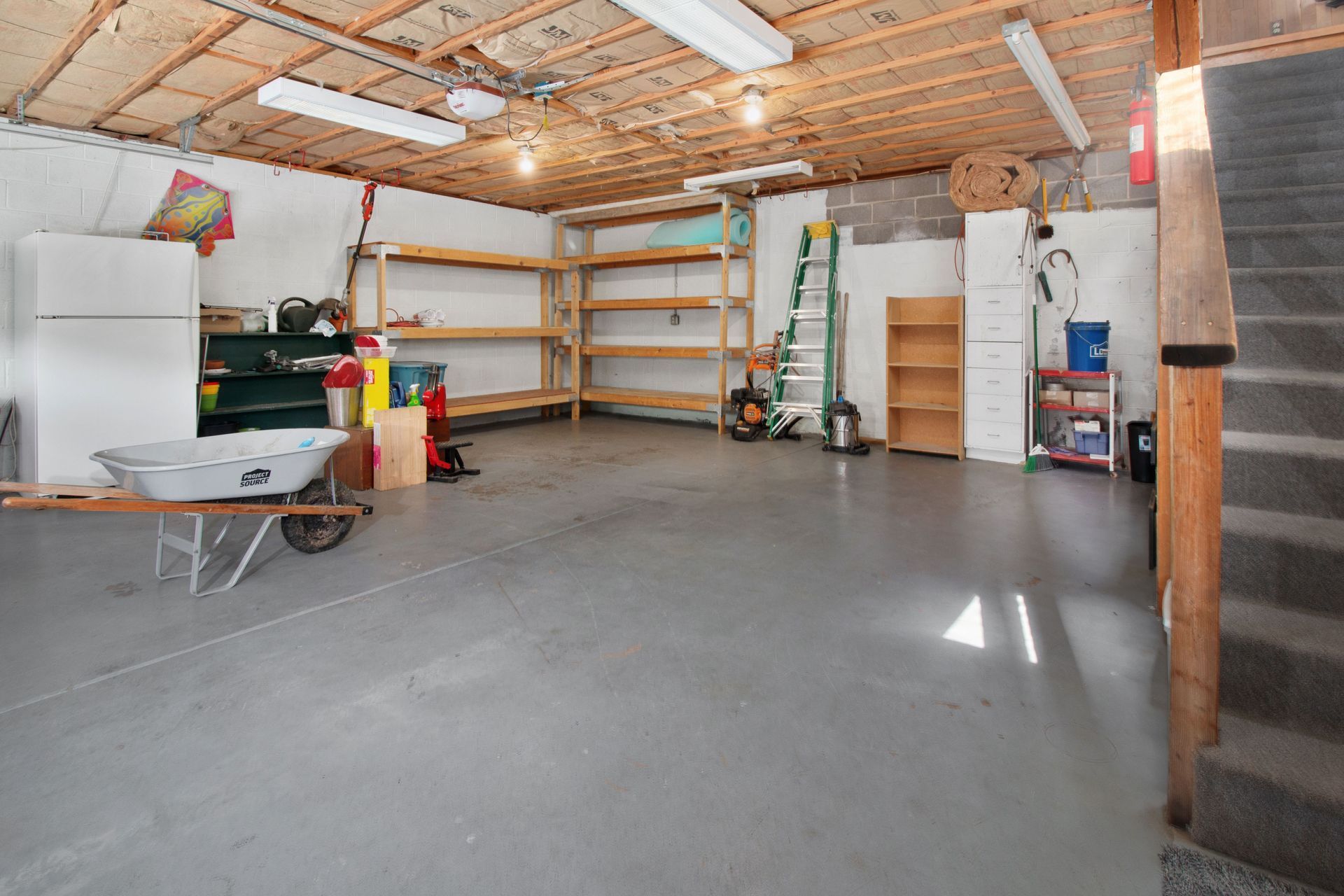
If you are planning a move to Durham or need storage while you get settled, American Self Storage has two convenient locations in the city. American Self Storage on Geer Street at 1904 Aiken Ave offers drive-up units, vehicle parking, 24-hour surveillance, and electronic gate access in a fenced facility near north Durham. AAA Ministorage at 804 Junction Road adds RV, boat, and car parking to a similar lineup of secure, drive-up accessible units. Both facilities offer month-to-month rentals with no hidden fees, online reservations, and daily access from 6 AM to 10 PM. For people relocating to Durham who want flexible, well-secured storage without a long-term commitment, either location is a solid choice.