Moving to Durham, NC: Here's What to Expect
Durham is the kind of city that sneaks up on you. You visit for a weekend, eat something incredible at a restaurant you found by accident, wander through a converted tobacco warehouse that now hosts a craft cocktail bar, and suddenly you are on Zillow at midnight looking at houses. It happens to a lot of people. The city has been quietly pulling off one of the best reinventions in the South, transforming from a fading tobacco town into a place where biotech researchers, barbecue nerds, and brewery enthusiasts all somehow ended up in the same zip code.
Durham sits at the heart of North Carolina's Research Triangle, sandwiched between Raleigh and Chapel Hill in a region that has become one of the hottest job markets in the country. The population has climbed to roughly 295,000 residents, growing at about 1.6% per year, and the people moving here are not just chasing paychecks. They are chasing a city that has actual character, not the copy-paste downtown development you see in so many fast-growing metros. Over half the adults in the Durham-Chapel Hill area hold a bachelor's degree or higher, which means your neighbors are probably doing something interesting for a living and have strong opinions about pour-over coffee.
If you are considering the move, this guide covers the real numbers, the honest trade-offs, and the stuff nobody puts in the tourism brochure.
What Your Wallet Is in For
Here is the good news: Durham's overall cost of living sits about 1% below the national average. That does not sound dramatic until you compare it to what your friends in Austin, Denver, or D.C. are paying. Groceries run about 2% higher than the national average, which you will barely notice unless you are tracking every avocado. Utilities come in around 6% lower, and transportation costs land about 6% below the national mark, partly because nothing in Durham is all that far from anything else.
The combined sales tax rate in Durham is 7.5%, which breaks down to 4.75% for the state and 2.25% for the county. Property taxes land at roughly $0.99 per $100 of assessed value when you combine the county and city rates. That is not the lowest in North Carolina, but it is not going to make you lose sleep either. The median household income sits around $81,619, which buys you a genuinely comfortable life here. You can eat out regularly, have hobbies that cost money, and still put something into savings. Try doing that in San Francisco.
Durham is not as cheap as it was a decade ago, and anyone who has lived here since 2015 will remind you of that at every opportunity. But compared to most cities with this caliber of job market and food scene, the math still works.
Housing: The Numbers and the Neighborhoods
As of early 2026, the median home sale price in Durham is $399,000, down about 2.7% from the previous year. Homes are sitting on the market longer now, averaging 74 days compared to 49 the year before, and inventory has jumped 41%. Translation: if you are buying, the panic-bidding era is over. You can actually tour a house, think about it overnight, and still have a shot at getting it.
Renters, your situation is a little tighter. The average apartment runs about $1,541 per month. Studios average $1,346, one-bedrooms come in around $1,401, two-bedrooms at $1,626, and three-bedrooms land near $1,903. Not dirt cheap, but manageable on a Triangle salary. You will get more space for your money here than in Raleigh's trendiest neighborhoods, and significantly more than anything in Charlotte's South End.
Where you plant your flag matters a lot. Trinity Park is the charming one. Tree-lined streets, historic homes near Duke, walkable to the Ninth Street corridor, and the kind of neighborhood where people actually sit on their porches. Hope Valley is the established one, built around a country club in 1926 with a championship golf course, big yards, and a pace of life that feels about 15 mph slower than the rest of the city. Brightleaf at the Park is the newer option, sitting right on the Raleigh-Durham line with modern homes and easy access to Research Triangle Park. Old North Durham and Walltown both offer more affordable entry points with real neighborhood character and proximity to downtown.
The advice you will hear from every local: rent for six months before buying. Durham's neighborhoods have distinct personalities, and you will not know which one fits until you have spent a few weekends exploring them.
The Job Market That Started All This
Let us be honest. Most people end up in Durham because someone offered them a job with a salary that made them google "cost of living Durham NC" at 2 AM. The Research Triangle Park is the largest research park in the country, covering 7,000 acres with more than 300 companies producing over $6 billion in annual research. It sits between Duke, NC State, and UNC-Chapel Hill, and that triple-university pipeline is what keeps the whole engine running.
The life sciences sector is the headline act. More than 600 companies operate in the Triangle, employing over 42,000 people at an average salary of $140,000. Biogen, bioMerieux, Merck, and Novo Nordisk all have Durham-area operations. Duke Health is one of the largest employers in the region and basically functions as its own small city. If you work in biotech or healthcare, Durham is not just a good option. It is one of the five or six best places in the country to build your career.
Tech has also shown up in a big way. Apple committed $1 billion to a new campus creating over 3,000 jobs. Google invested another billion in an engineering hub. Microsoft runs a development center with more than 2,500 workers. These are not satellite offices where they stick the people they do not want at headquarters. These are real operations, and they have changed the talent pool and the happy hour conversations across the city.
With over 62,000 jobs currently listed in the RTP area alone, the opportunities are not theoretical. People complain about a lot of things in Durham. The job market is not one of them.
Getting Around Without Losing Your Mind
Durham is a car city. Accept that early, and you will save yourself some grief. The average commute clocks in at about 24.9 minutes, which is actually below the national average of 26.8 minutes. Rush hour builds up on I-40 and the connectors near RTP between 7:00 and 9:00 AM and again from 4:30 to 6:30 PM, but compared to what people endure in Atlanta or the D.C. Beltway, Durham traffic is a mild inconvenience at worst. You might mutter under your breath. You will not question your life choices.
Public transit exists through GoDurham for local bus routes and GoTriangle for regional connections to Raleigh and Chapel Hill. Realistically, though, most people drive. The bus system covers some corridors well but is not comprehensive enough to replace a car for daily life. If you are coming from a city with real public transit, lower your expectations and budget for a parking spot.
The upside of Durham's location is that everything is close. Downtown to RDU International Airport is about a 15-minute drive. Raleigh is 25 minutes east. Chapel Hill is 15 minutes west. You get three cities' worth of restaurants, entertainment, and weekend plans without any single commute feeling like a punishment.
The Four Seasons of Durham (Yes, All Four)
Durham gives you genuine seasonal variety without the extremes that make other parts of the country miserable. Summers are hot and humid, with July highs averaging around 90 degrees and the kind of sticky air that makes you reconsider outdoor plans between noon and 4 PM. If you are from the Northeast and think you understand humidity, Durham will politely correct you.
Winters are short and mild. Average highs sit near 50 degrees with lows dipping into the low 30s. Snow happens maybe once or twice a year, just an inch or two, and when it does, the entire city shuts down like the apocalypse has arrived. People buy all the bread and milk at the grocery store. Schools close. It is genuinely hilarious if you are from anywhere that gets real snow. Just do not say that out loud. Locals do not appreciate it.
Spring is the reason people write love letters about this part of North Carolina. Temperatures in the 70s and 80s, dogwoods and azaleas blooming everywhere, and the whole city seems to exhale after winter. Fall brings crisp air, changing leaves, and perfect football weather for the Duke faithful. Annual rainfall totals about 48 inches, with August being the wettest month. Durham is far enough inland that hurricanes are not a direct threat, though remnants of tropical storms can bring heavy rain.
The humidity from June through August is the thing every transplant mentions first, second, and third. You adjust eventually. Or you just spend more time in air-conditioned breweries. Either strategy works.
Storage and the Reality of Moving to a New City
Here is something nobody tells you before a move: there is almost always a gap. A gap between when you leave your old place and when your new place is ready. A gap between how much stuff you own and how much closet space your Durham apartment actually has. A gap between your plan and reality.
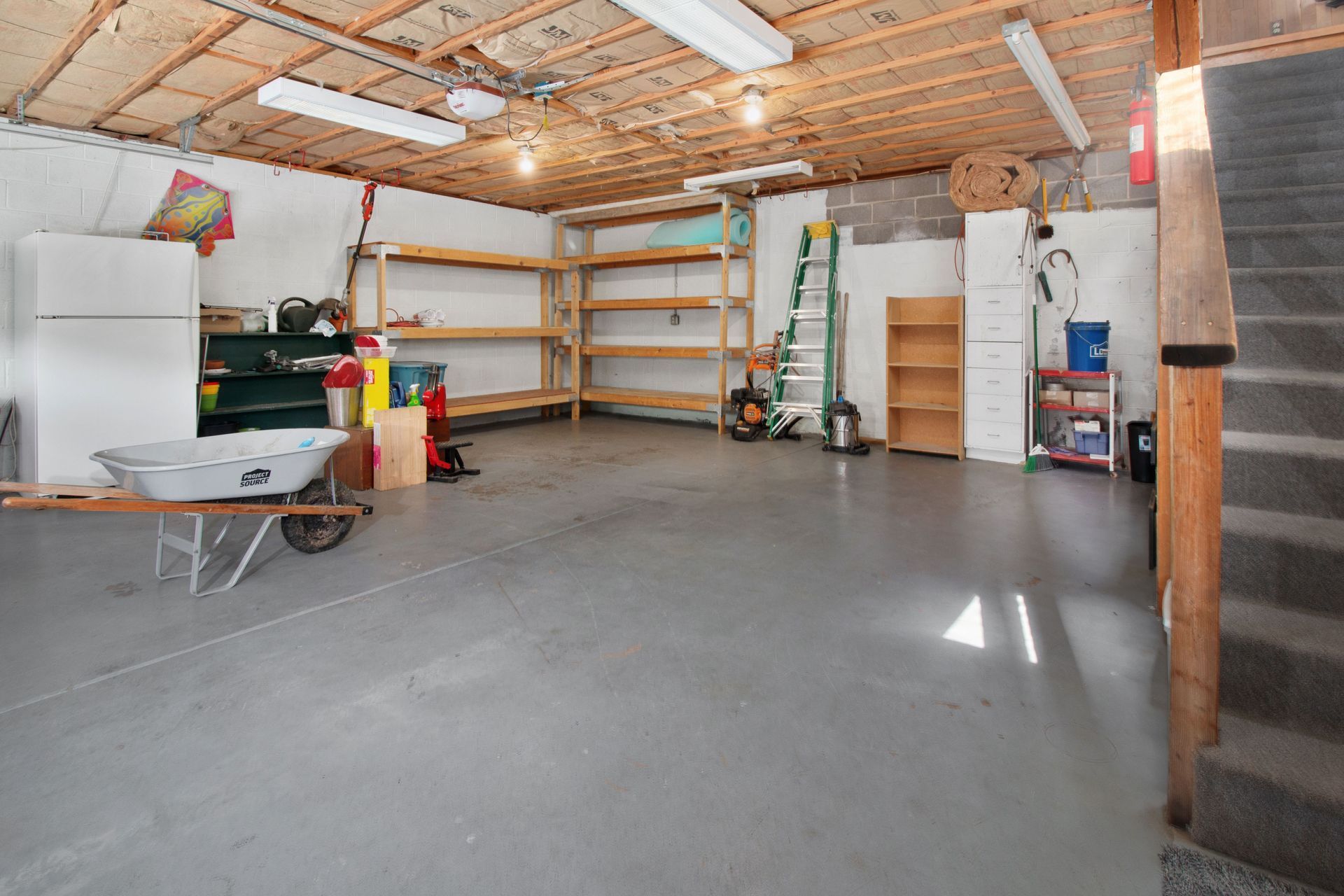
That is where storage earns its spot in the moving budget. If you are renting while you house-hunt, a storage unit lets you move once instead of paying movers twice. If you are downsizing from a larger home up north, you will need somewhere to stash the furniture that does not fit while you figure out what stays and what goes. And if you are relocating for a Research Triangle Park job and want to explore neighborhoods before committing, having your stuff safely stored buys you time to make a good decision instead of a rushed one.
American Self Storage has two Durham facilities set up for exactly this. AAA Ministorage on Junction Road offers drive-up units, open-air vehicle parking for cars, trucks, RVs, and boats, electronic gate access, and 24-hour surveillance. American Self Storage on Geer Street provides a similar setup with a fenced and gated property, drive-up access, ground floor units, and vehicle parking. Both run month-to-month with no long-term contracts and no hidden fees. That last part is worth emphasizing. No hidden fees. No admin charges. What they quote you is what you pay.
What People Actually Do Here
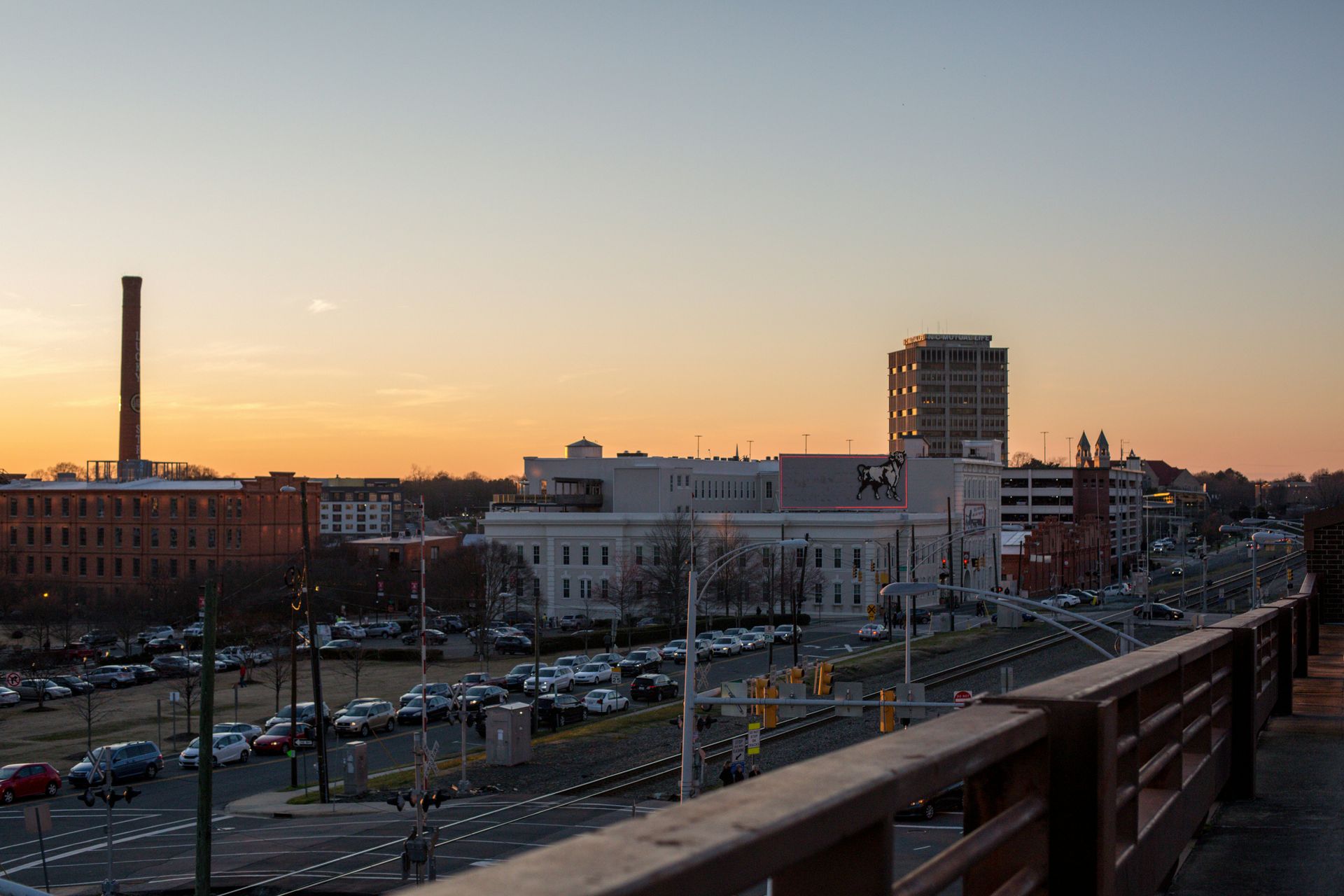
Durham calls itself Bull City, a nod to the Bull Durham tobacco brand that once defined the local economy, and that slightly irreverent spirit shows up everywhere. This is a city that does not try to be Raleigh or Charlotte. It does its own thing, and it does it well.
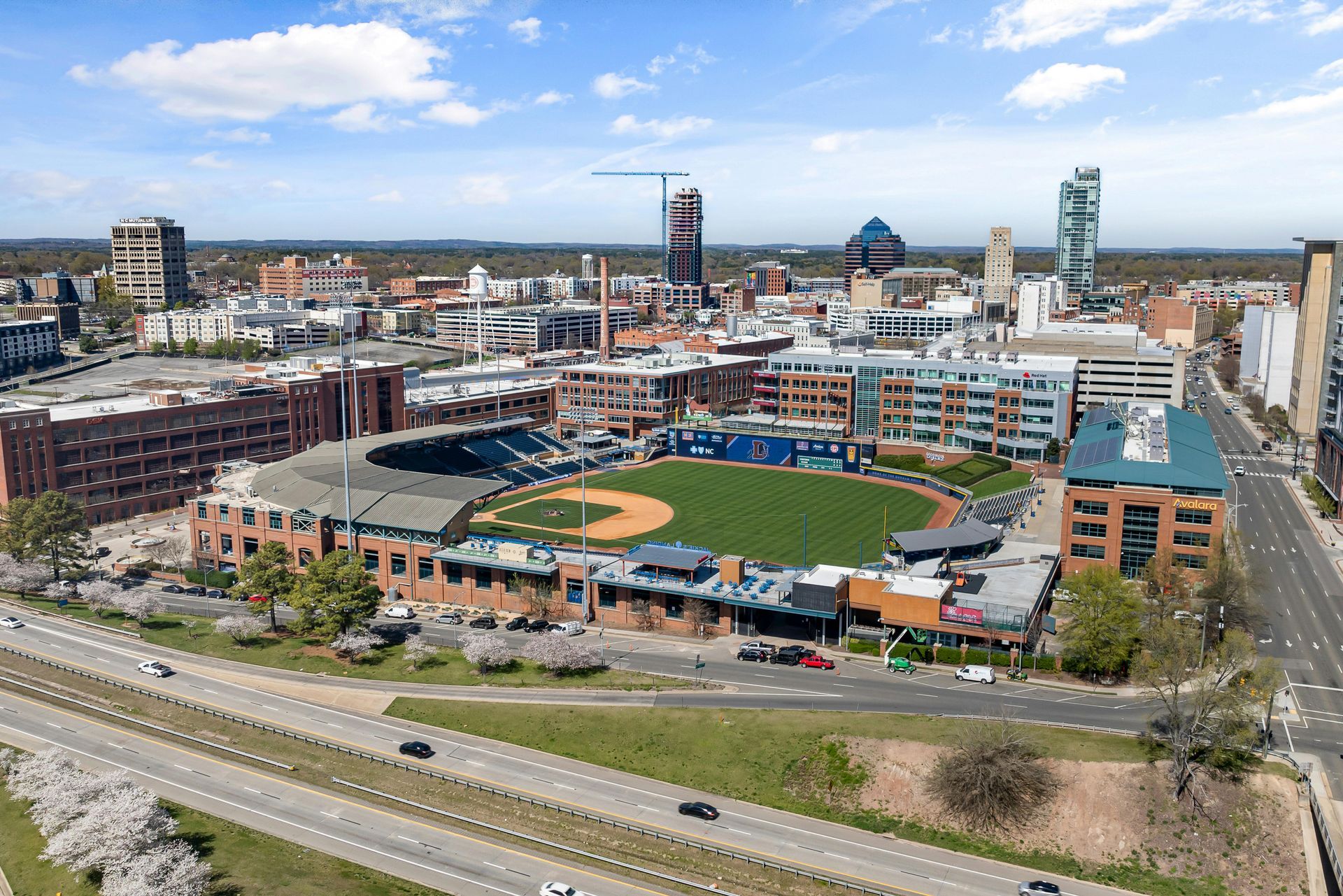
The Durham Bulls are the heartbeat of summer. The Triple-A affiliate of the Tampa Bay Rays plays at Durham Bulls Athletic Park in the American Tobacco District, and a Tuesday night game with a local beer in hand is one of the best cheap dates in the Triangle. The food scene punches so far above its weight it should probably be in a different weight class entirely. You will find nationally recognized restaurants alongside hole-in-the-wall spots serving Korean, Ethiopian, and Mexican food that locals guard jealously. The Saturday morning Farmers' Market at Durham Central Park is a weekly ritual for a reason.
The brewery scene keeps growing and shows no signs of slowing down. Fullsteam, Ponysaurus, and Bull City Burger and Brewery are just the starting lineup. DPAC consistently ranks as one of the top theaters in the country, hosting Broadway tours and major concerts in the American Tobacco Historic District, a collection of 17 converted tobacco factories that now house restaurants, shops, and offices. If you need to escape into nature, Eno River State Park has 30-plus miles of hiking trails, and Sarah P. Duke Gardens on Duke's campus is 55 acres of free, stunning beauty in every season.
Durham is a city where you can fill a weekend without trying and still discover something new after living here for years. That is not marketing. That is just what happens when a place has this much going on.
Schools, Duke, and the Education Landscape
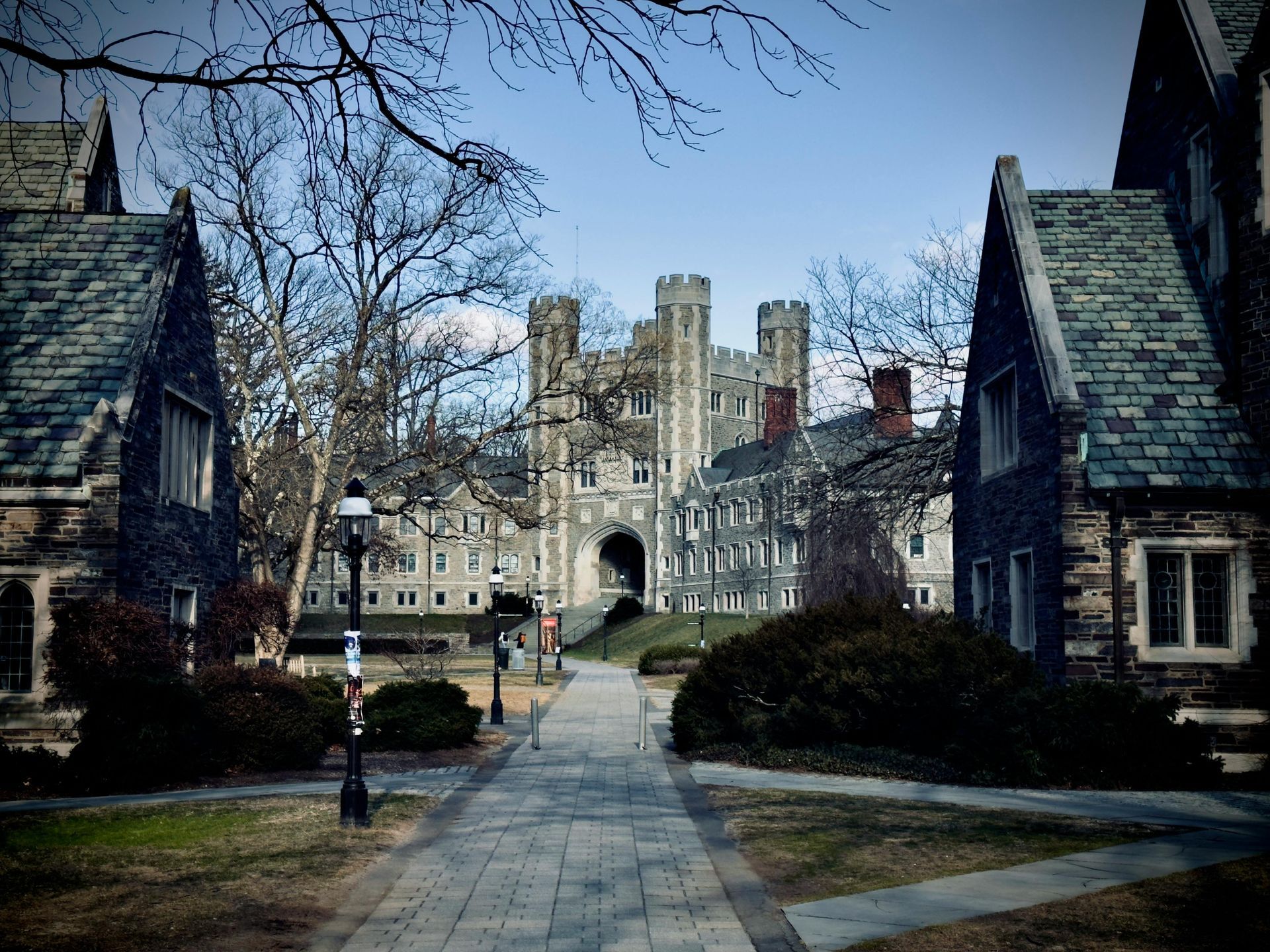
Education is baked into Durham's identity. Duke University is one of the most prestigious research universities in the country, and its influence on the city extends far beyond academics. The campus alone is worth a visit. North Carolina Central University, founded in 1909 as the first state-supported liberal arts college for African Americans in the country, remains a vital institution and a major source of community pride.
Durham Public Schools operates 57 schools across the district, including 32 elementary schools, 9 middle schools, and 11 high schools.
Performance varies by school, and that is not a throwaway line. If you have kids, research individual schools in whatever neighborhood you are considering. Magnet programs and charter options give you more choices than just the assigned school, and both Duke and NCCU have active partnerships with the public school system focused on tutoring, mentorship, and community engagement.
The broader education ecosystem benefits from being in the Triangle. NC State and UNC-Chapel Hill are both a short drive away, and the concentration of universities means continuing education, professional development, and career-switching opportunities are everywhere.
What It Actually Costs to Get Here
The price tag of the move itself depends on where you are coming from. A local move within the Durham area runs between $647 and $1,528, with a two-bedroom apartment move typically costing $1,460 to $1,946. Long-distance moves range from $2,466 to $4,453 depending on weight and distance, and cross-country hauls can push past $6,000.
Pro tip: move mid-week and mid-month between October and April for the lowest rates. Book at least six weeks out, or eight weeks if you are moving during peak summer season. Renting a truck yourself runs $30 to $100 per day plus mileage and fuel, which saves real money if you are comfortable driving a 26-footer and have friends who owe you favors.
One cost people consistently forget is the overlap period. You are paying rent or a mortgage on your old place, you might be paying on your new place, and somewhere in between your stuff needs to live. Factor in a storage unit for that transition period, and the whole timeline gets a lot less stressful.
So, Should You Actually Move to Durham?
Durham works for people who want a strong job market, a real food and culture scene, and a cost of living that does not require a six-figure household income just to feel comfortable. If you work in biotech, healthcare, tech, or education, the professional opportunities are genuinely excellent. If you value a city with a personality that was not designed by a committee, Durham delivers.
The trade-offs are real. Summer humidity will make you reconsider your hair routine and your wardrobe. You will need a car. Housing costs have climbed faster than anyone expected, and some long-timers grumble that the Durham they fell in love with is being smoothed over by all the growth. These are fair points worth weighing.
But if you want a city where you can catch a baseball game on a weeknight, eat at a restaurant that would have a two-month waitlist in Brooklyn, hike along a river on Saturday morning, and still afford a house with actual trees in the yard, Durham belongs on your list. The Triangle gives you three cities' worth of options within a 30-minute drive, and Durham sits right in the sweet spot.
When you are ready to make it happen, American Self Storage has two Durham locations to make the transition easier.
AAA Ministorage at 804 Junction Road and
American Self Storage at 1904 Aiken Avenue both offer drive-up units, vehicle parking, 24-hour surveillance, electronic gate access, and month-to-month leases with zero hidden fees or admin charges. Whether you need a spot for furniture while you house-hunt, parking for a vehicle that does not fit in your new driveway, or just some breathing room while you settle in, both facilities are open seven days a week with access from 6 AM to 10 PM. Call (984) 261-3434 or reserve a unit online to cross one thing off the moving checklist before you even get here.